
Starting your garden indoors is the perfect way to get a head start on the season, but the equipment you choose matters. The best seed starting trays can make the difference between struggling sprouts and thriving transplants.
In my journey to grow more of my own vegetables at home this year, I’ve tested everything from cell depth to material durability to see which trays are worth the investment for the home gardener.
This post may contain affiliate links for which we may be compensated if a purchase is made through the links provided at no extra cost to you. For more information, please read our affiliate disclosure.
Table of Contents
Are Seed Starting Trays Absolutely Necessary?
In past years, I never really used seed starting trays and always went with a collection of mixed solo cups, old flower pots, yogurt containers, egg cartons - basically, whatever I could find and put soil in. While all these containers do work, and can be a great way to garden on a budget, I never really found that much success with my mix-and-match approach.
The main problem with this approach is that it simply makes things harder to manage. The various containers all require different amounts of water to stay moist, they take up way more space, and you have to move each seedling individually should you want to move them out, under grow lights, or into a new windowsill.
In short, are seed starter trays necessary for the beginner gardener? No, not exactly, but they sure do make life a whole lot easier, and dramatically improve your chances of success!
Why would we recommend using seed starting trays?
Seed starter trays make life a whole lot easier by conveniently grouping seedlings into easy-to-manage trays.
- It is much easier to provide adequate lighting when all the seedlings are grouped closely together instead of being spaced out in various-sized containers. The trays easily fit under grow lights and can be easily moved around as a group.
- As the seed tray cells are all a uniform size, it is much easier to water and stay on top of the moisture requirements of the various seedlings. As the seed trays all contain proper drainage, they also help prevent overwatering the seedlings.
- It is much easier to plant similar types of plants in their own trays, for example, herbs in one, lettuces in another, etc. This helps when needing to harden off or transplant certain seedlings before others.
- Some seed trays even come with clear plastic covers or domes, which help regulate moisture, especially in the beginning phases of germination and growth.
Different Seed Starting Tray Materials and Designs
Most often, seed starting trays are made of rigid plastic and are reusable, or are made of super-thin, recyclable plastic that is meant to be thrown away after use. Some are a combo of a plastic drip tray with bio-degradable cells or peat pellets that can later be planted right into the garden.
There is a wide range of designs to choose from, and it can be overwhelming, especially for new gardeners.
Which you'll end up choosing depends on several factors, and we'll go over some of the most common designs in this guide to help you decide what will work best for you.
Seed Tray Sizes
Most seed starter trays come in a 10" x 20" size, but differ in the number of 'cells' or individual plants that can be planted in the tray.
The more cells a tray has, the shorter the time frame before the seedlings outgrow the tray and need to be planted out or transplanted into larger containers.
Tray sizes range from 12-cell trays 128 cell trays! In my experience, tray sizes between 24 cells and 48 cells work best and will safely keep your plants indoors for 4 to 8 weeks before needing to be transplanted.
- Trays with a high number of cells (and thus a shorter growth time indoors) work especially well for lettuces such as spinach, kale, and head lettuces, which can be transplanted out into the garden sooner, either under hoop tunnels or in cold frames, than other plants.
- Trays with a smaller number of cells (for example, 24 - 36 cells per tray) are ideal for plants such as tomatoes, cucumbers, bell peppers, herbs, and squashes.
Root vegetables should, when possible, always be planted directly in the garden and not transplanted.
If you see roots coming out of the cells or peat pellet inserts, it's time to transplant the seedlings into a larger container or into the garden.
Bio-degradable inserts vs plastic cell trays
Which style of seed starter tray you choose is ultimately up to you.
Bio-degradable cell inserts are great, and make transplanting easy as the entire 'cell' is simply transplanted directly into a larger container or into the garden, and the tray material bio-degrades. They do need to be replaced yearly, though, and tend to develop mold more easily than plastic cell trays do.
Plastic seed starter trays are mostly reusable, especially the more rigid plastic celled trays. The seedlings can be slightly harder to remove from the trays at transplanting time, though, and you may need to use a butter knife or spoon handle to help loosen the sides of the individual cells.
Never pull on the seedling stems to try to remove the cell from the tray, as you will most probably damage the plant!
Additional accessories for your seed trays
Consider these accessories when starting and growing seedlings indoors. They make life a whole lot easier and increase your chances of success! If you have to pick just one of them, I will always recommend grow lights as the first upgrade to your indoor seedlings!
- LED Grow Lights- specially designed lights to provide the proper amount of light seedlings require to prevent growth issues.
- Heat Mats- help by keeping soil temperatures consistently warm, speeding up and aiding in germination rates.
- Base Trays - provide drainage for trays with drainage holes, and allow you to water your seedlings from below. This can help prevent disease and pest problems!
- Clear Dome Lid - Helps keep heat and moisture in the seed tray. Especially important when waiting for seeds to germinate. A great and cheap investment when heat mats are not possible.
The Best Seed Starting Trays For Beginner Gardeners
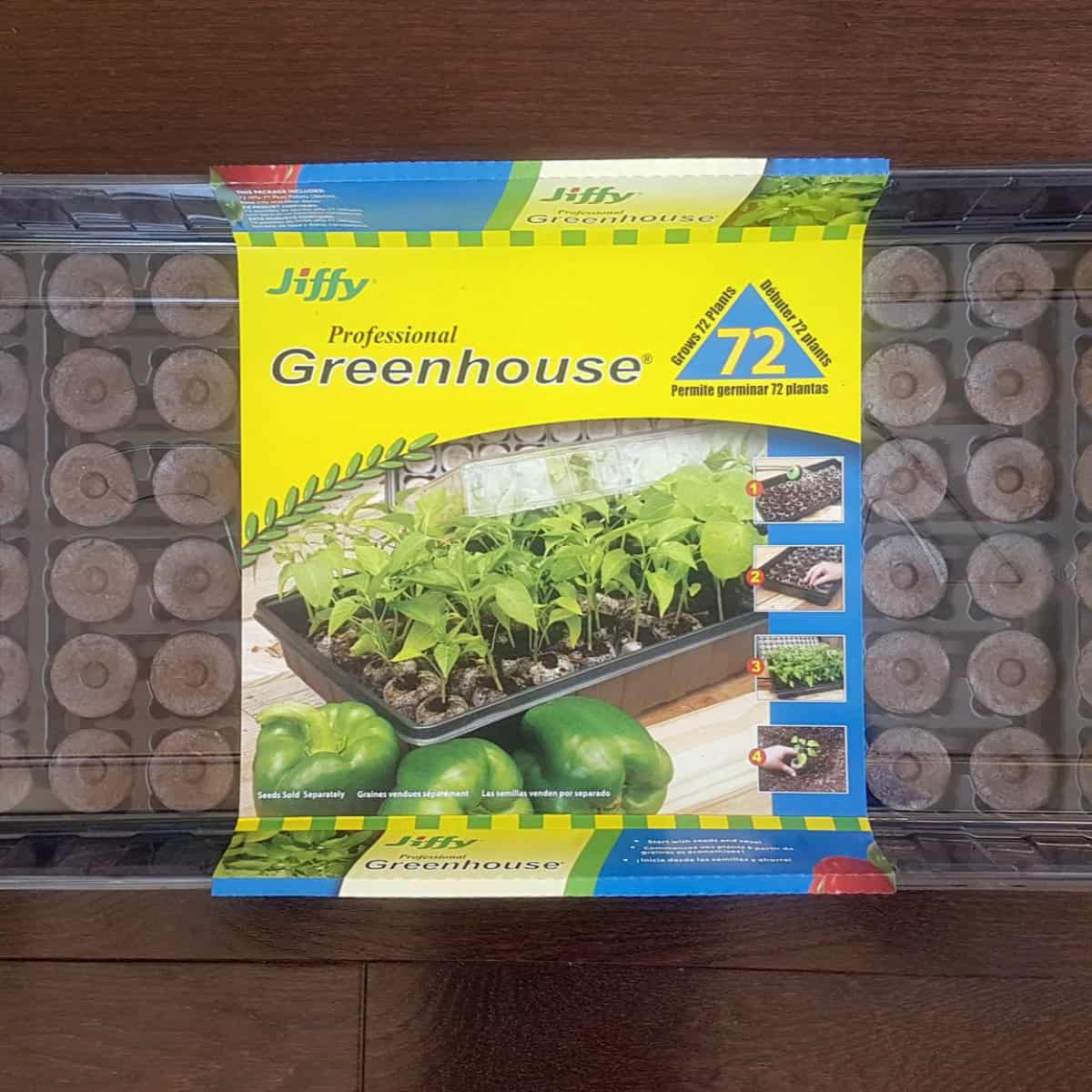
In our quest to discover which seed trays work best for our vegetable garden needs, we purchased and trialed three of the most commonly available styles of seed starting trays. Biodegradable cell inserts on a plastic base tray, peat pellet inserts with a base tray, and a rigid plastic celled tray with a base for watering.
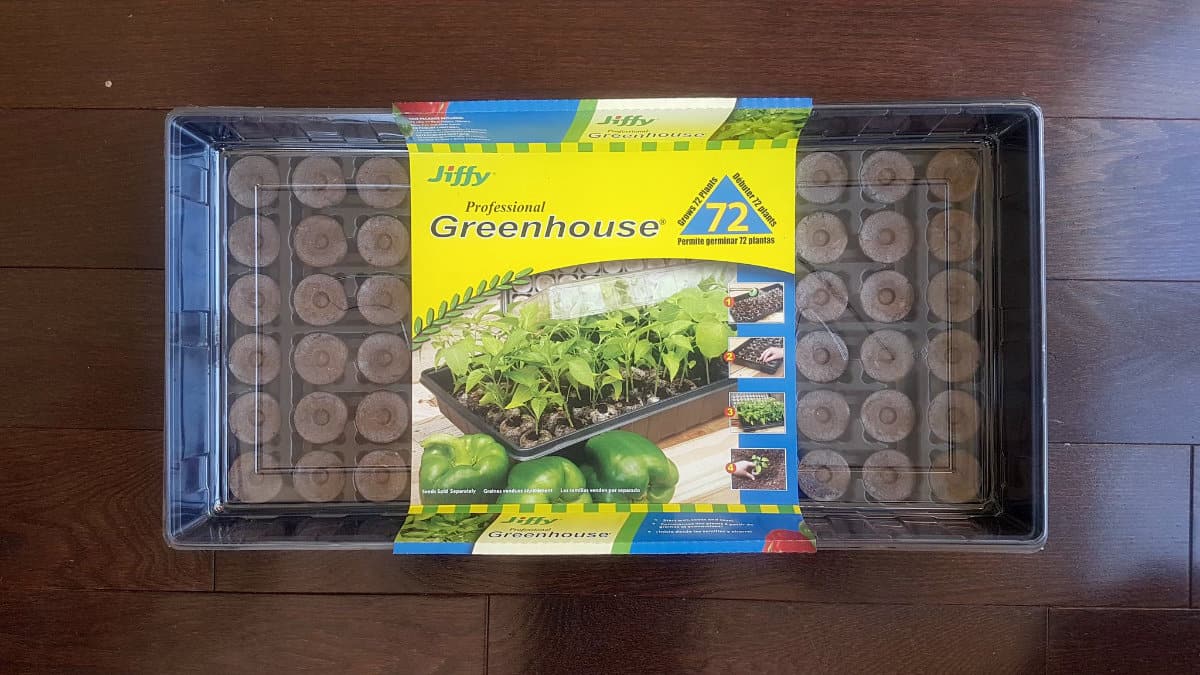
Jiffy Professional Greenhouse 72-Cell Starter Kit
Review:
A great seed starting tray for beginners, just add water and the peat pellets expand. No need for extra potting soil or filling pots. Seeds sprout quickly, and the clear heat dome helps retain moisture, reducing the need to water as often. The downside to this size tray is the short growing time before the seedlings need to be moved to larger pots or transplanted into the garden. Plan accordingly. Perfect for lettuces or plants that can be transplanted within a week or two of germination.
Pros:
- Easy to plant peat pellets
- Comes with a clear lid to retain moisture
- Comes with a base tray for easy watering
- No need to purchase potting soil
Cons:
- Seedlings quickly outgrow the peat pellets
- Pellets need to be replaced after each use
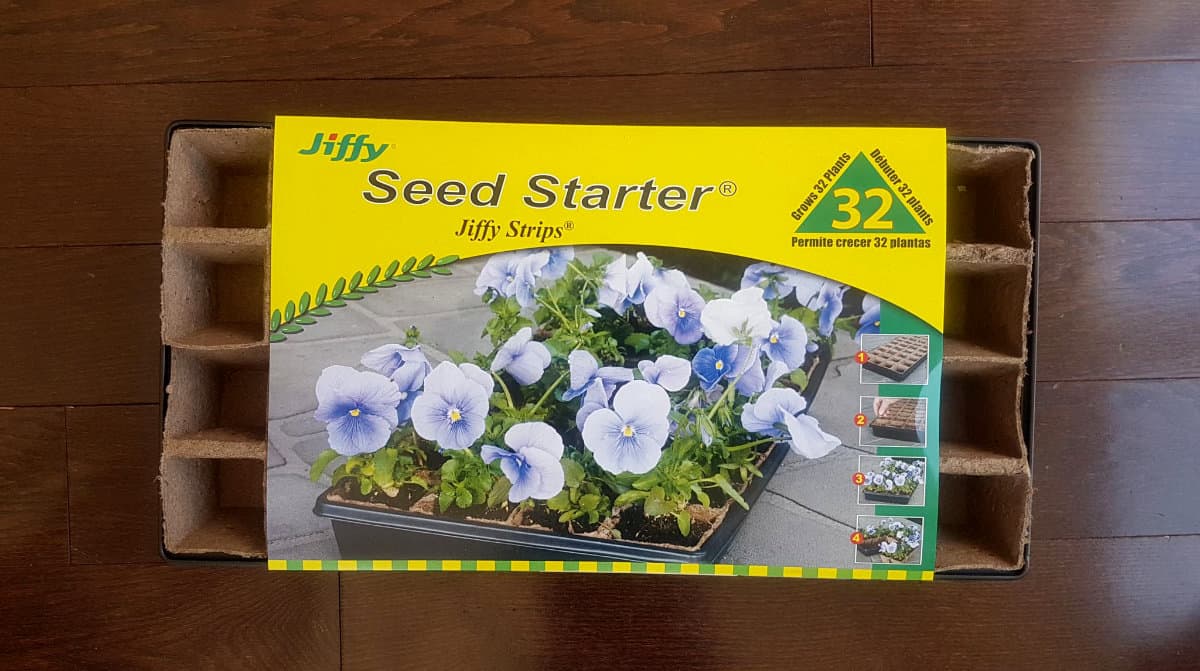
32 Cell Peat Pot Strips
Review:
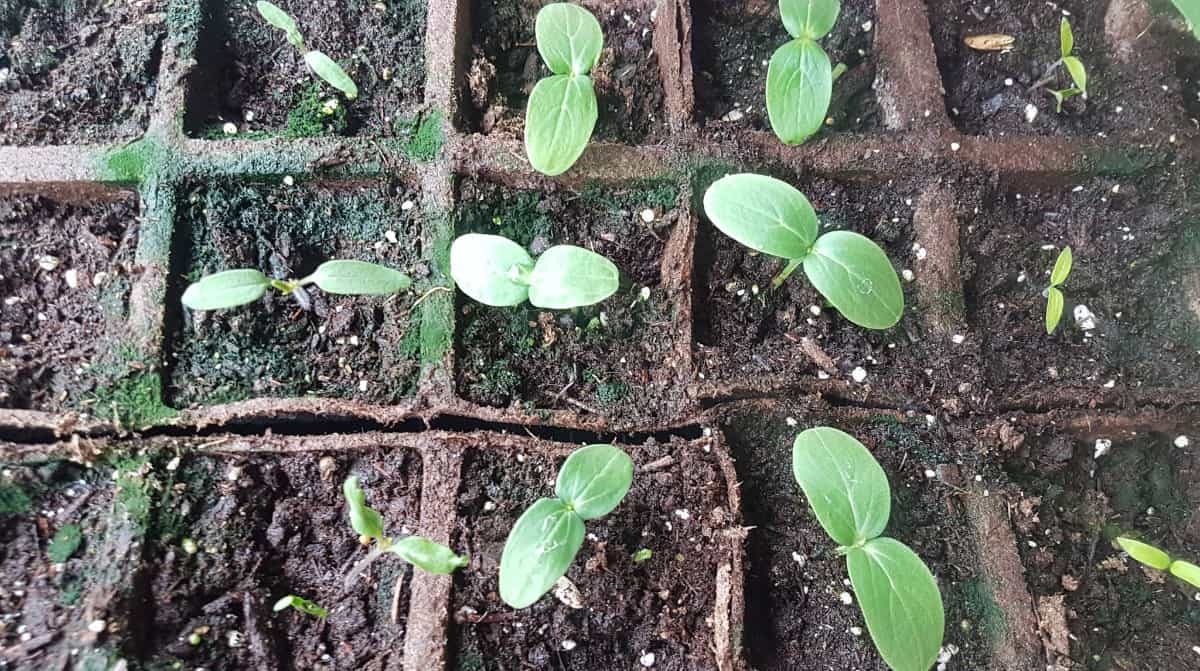
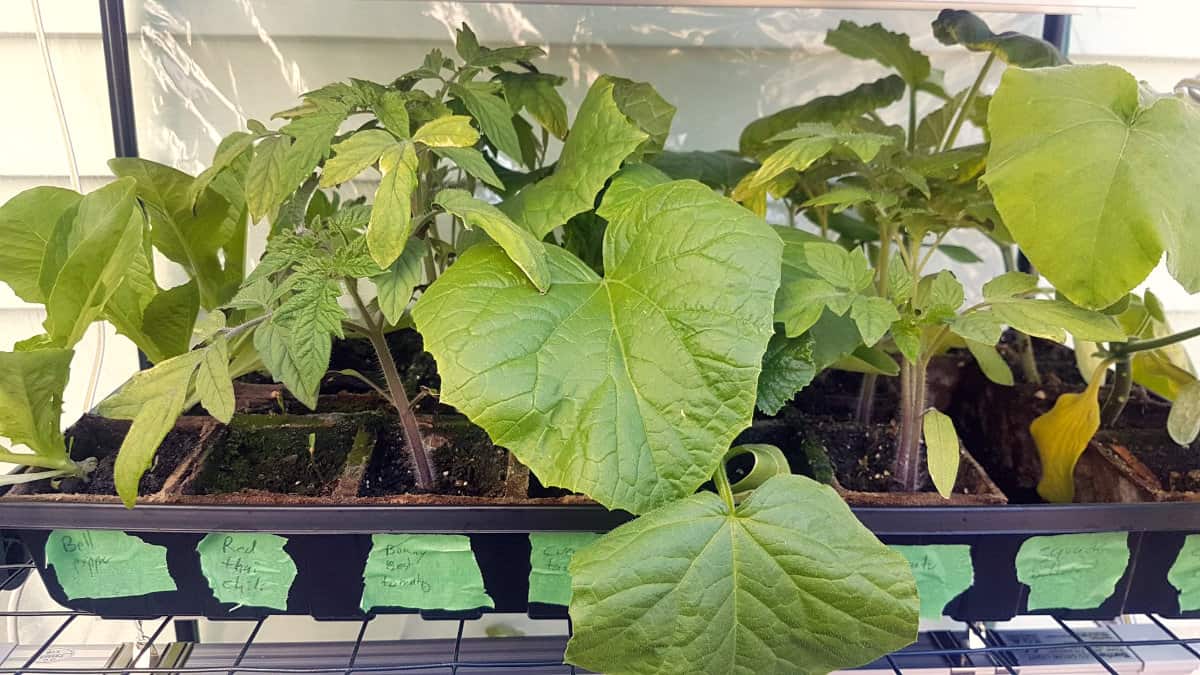
Large peat pots provide enough space for plants to grow for 6 to 8 weeks. Perfect for tomatoes, peppers, cucumbers, or squash seedlings. The base tray allows for easy watering, though care must be taken not to overwater to prevent mold growth. We found cutting the strips apart before planting made transplanting easier, with less disturbance to the plants. A great, easy-to-use tray for most plants.
Pros:
- Bio-degradable inserts make planting and transplanting easy
- Larger cell size allows for seedlings to stay indoors longer nd develop healthy root systems
- Comes with a base tray for easy watering
- Allows for longer growth time before transplanting
Cons:
- Inserts need to be replaced yearly
- Requires a solid watering tray (sold separately)
- Requires potting soil to fill.
Re-Usable 72 Cell Plug Tray
Review:
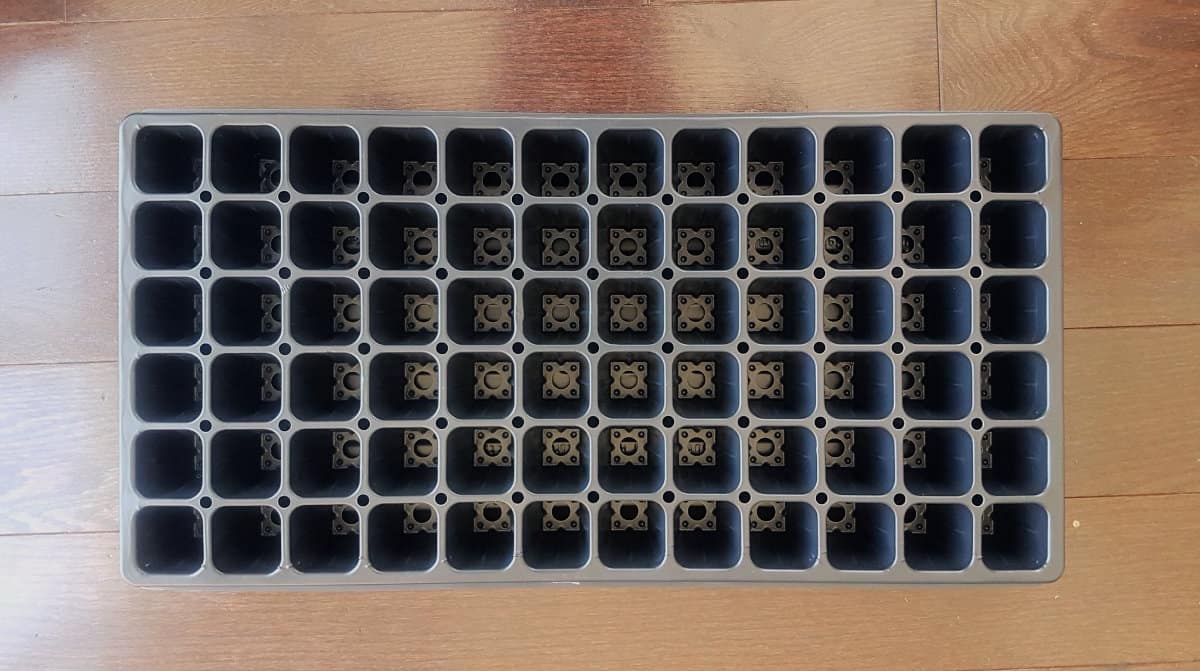
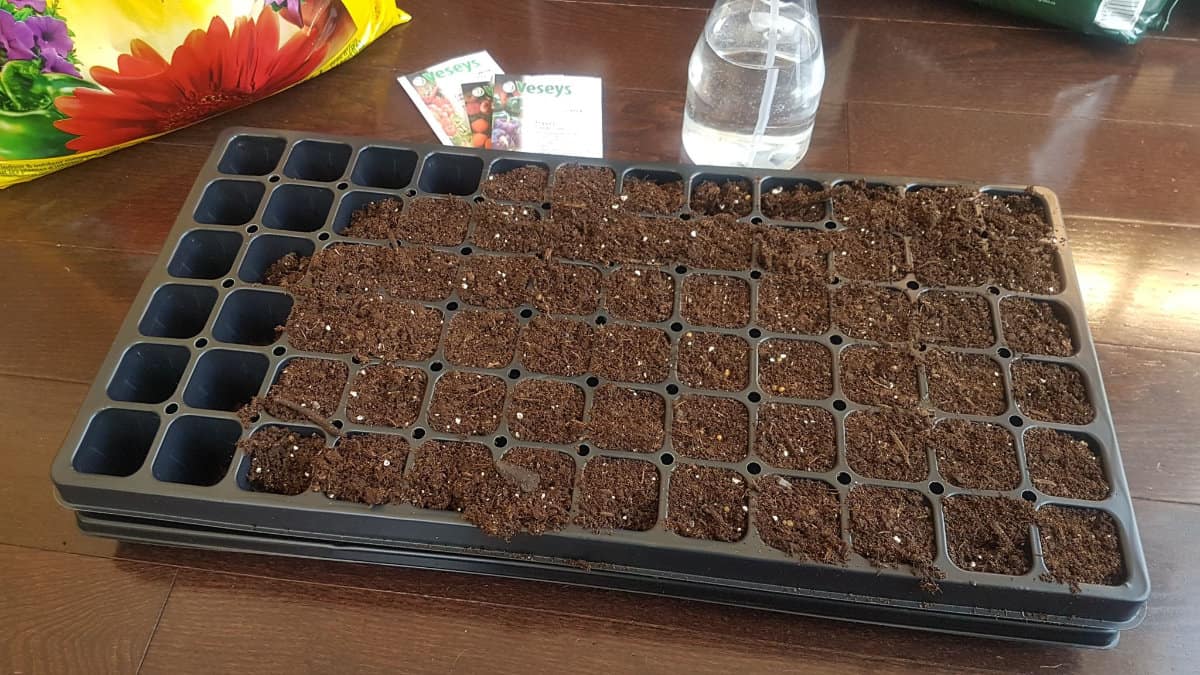
The re-useable nature of this seed tray requires only adding new potting soil before each use. The deep 1.8-inch plugs allow for more root development despite the high cell count. We found the seedlings easy to grow for up to 4-6 weeks before requiring transplanting. Perfect for herbs, peppers, lettuces, etc. Plugs are harder to remove at transplant time, though, and require loosening of the sides with a spoon or popsicle stick, increasing the chances of damaging roots.
Pros:
- The entire plastic tray is reusable
- Each cell has a dedicated drainage hole
- Deep 1.8" cells allow for more root development.
Cons:
- Requires a base tray for drainage
- Seedlings are harder to remove than with biodegradable inserts or pellets
Summary
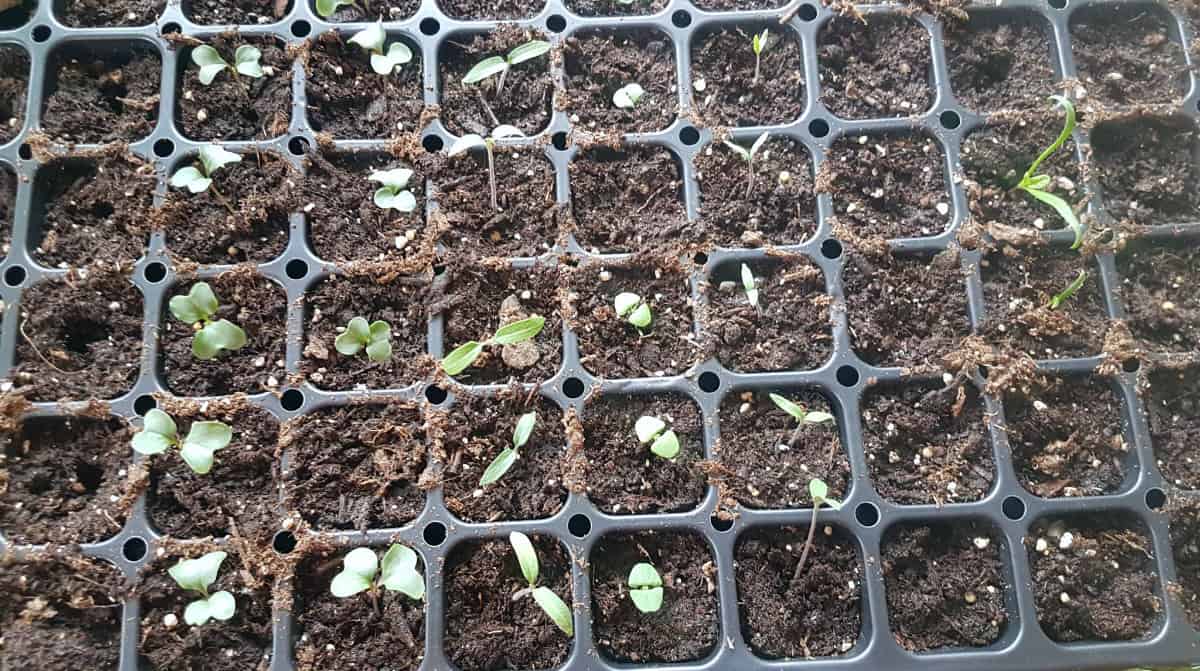
Overall, we found that all three styles of seed starting trays had their own pros and cons, making them great for different things. With all trays we tried, we found planting 2-3 seeds per cell and then trimming back to just one seedling after sprouting to give the best results.
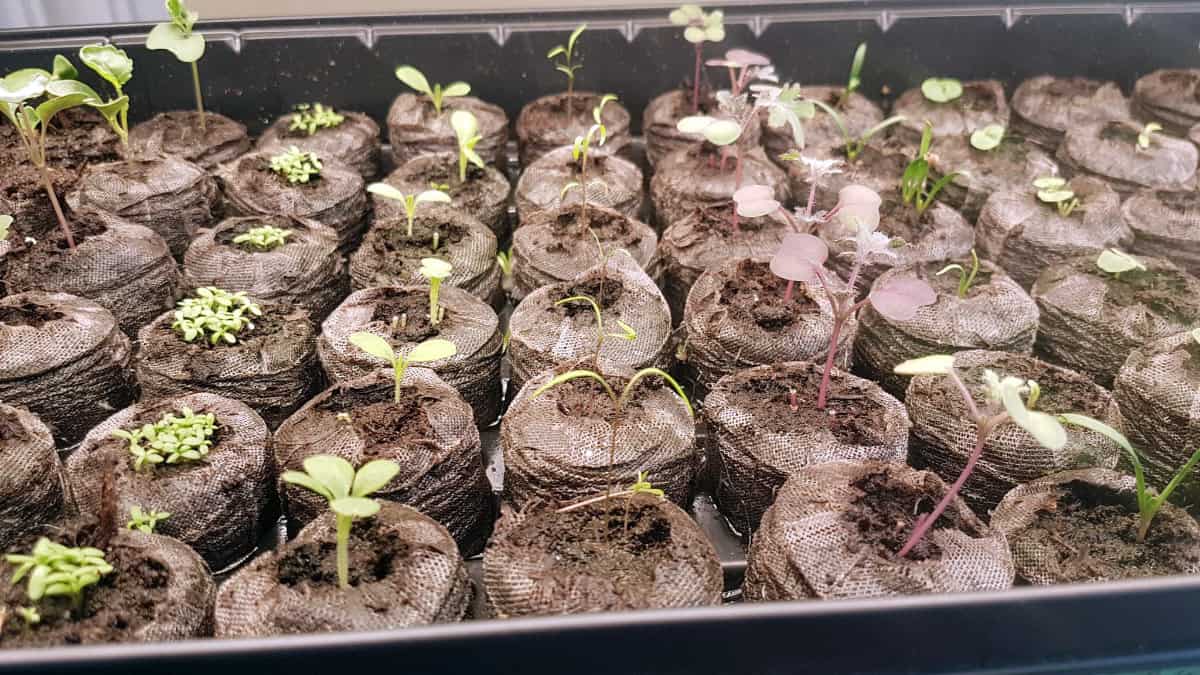
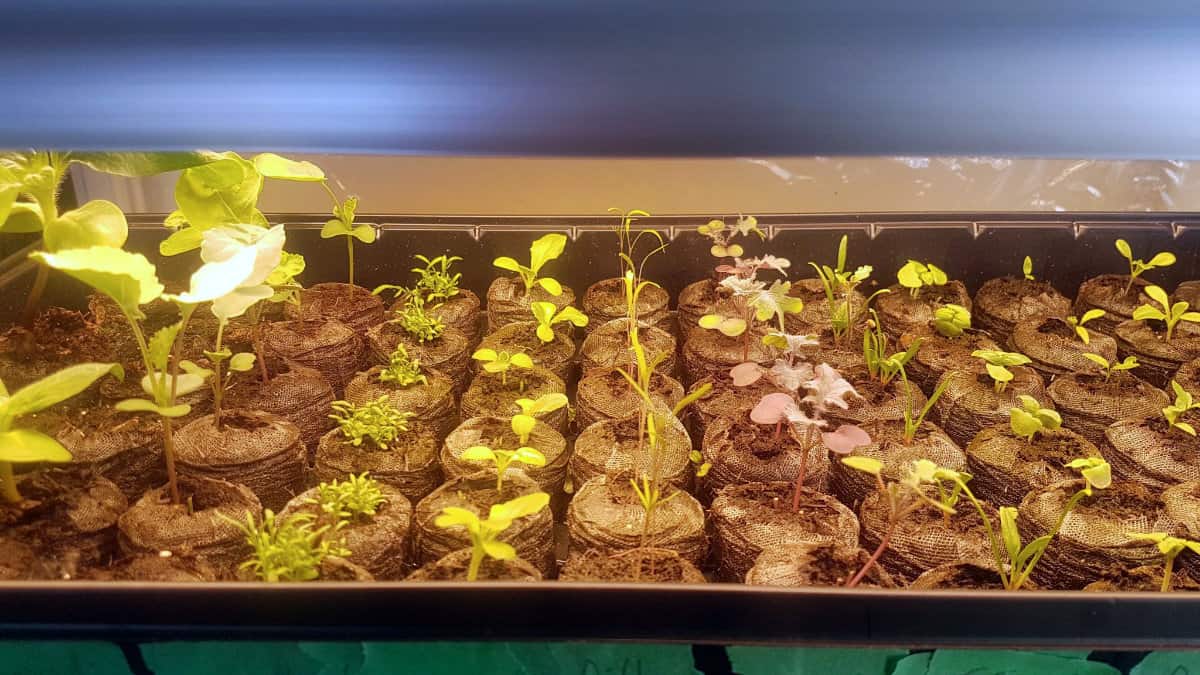
These small Jiffy peat plugs were great for starting lettuces, herbs, and brassicas that can be transplanted out sooner, even in cool weather. Tomatoes and cucumbers struggled in these peat plugs due to the limited growing space for the roots, and required transplanting into larger pots fairly quickly.
The larger 32 peat pots were wonderful for plants that require more time to establish before being planted out. Tomatoes, cucumbers, herbs, and squashes all did well in this tray for up to 8 weeks. The only downside was the need to separate and space out some of the plants once they grew so large that they were shading the other seedlings.
The re-useable 72-cell tray with 2-inch plugs worked surprisingly well, even for our larger plants, such as tomatoes and peppers. The deeper cell plugs allowed the plants to stay in the trays longer than expected. Removing the plugs without damaging the roots was a bit of a challenge, though, and took some getting the hang of.
Did you find this guide useful? Comment & rate it below. For more DIY gardening tips & homemade cooking from scratch recipes, follow us on Facebook & Pinterest
Comments
No Comments