
There is nothing quite like the aroma of a freshly baked pie wafting through the house. The flaky golden crust, whether with sweet or savory fillings, is a great way to enjoy seasonal ingredients and classic home baking. Simple and versatile, baking a pie from scratch is a highly rewarding culinary skill to master.
For many home cooks, though, the idea of baking a pie feels intimidating. The fear of a tough crust, a soggy bottom, or a cracked filling keeps people reaching for store-bought dough and frozen desserts. But the truth is, once you understand a few foundational techniques, baking a pie at home becomes simple and enjoyable. Plus, once you taste freshly homemade pie dough, you will never go back to the store-bought variety again.
In this comprehensive guide, we have collected all there is to know about baking pie - from making a great dough, mastering a flaky crust with blind baking to actual tried and tested recipes from Earth, Food and Fire for some great tasting pies, both sweet and savory, for any occasion. Enjoy and have fun!
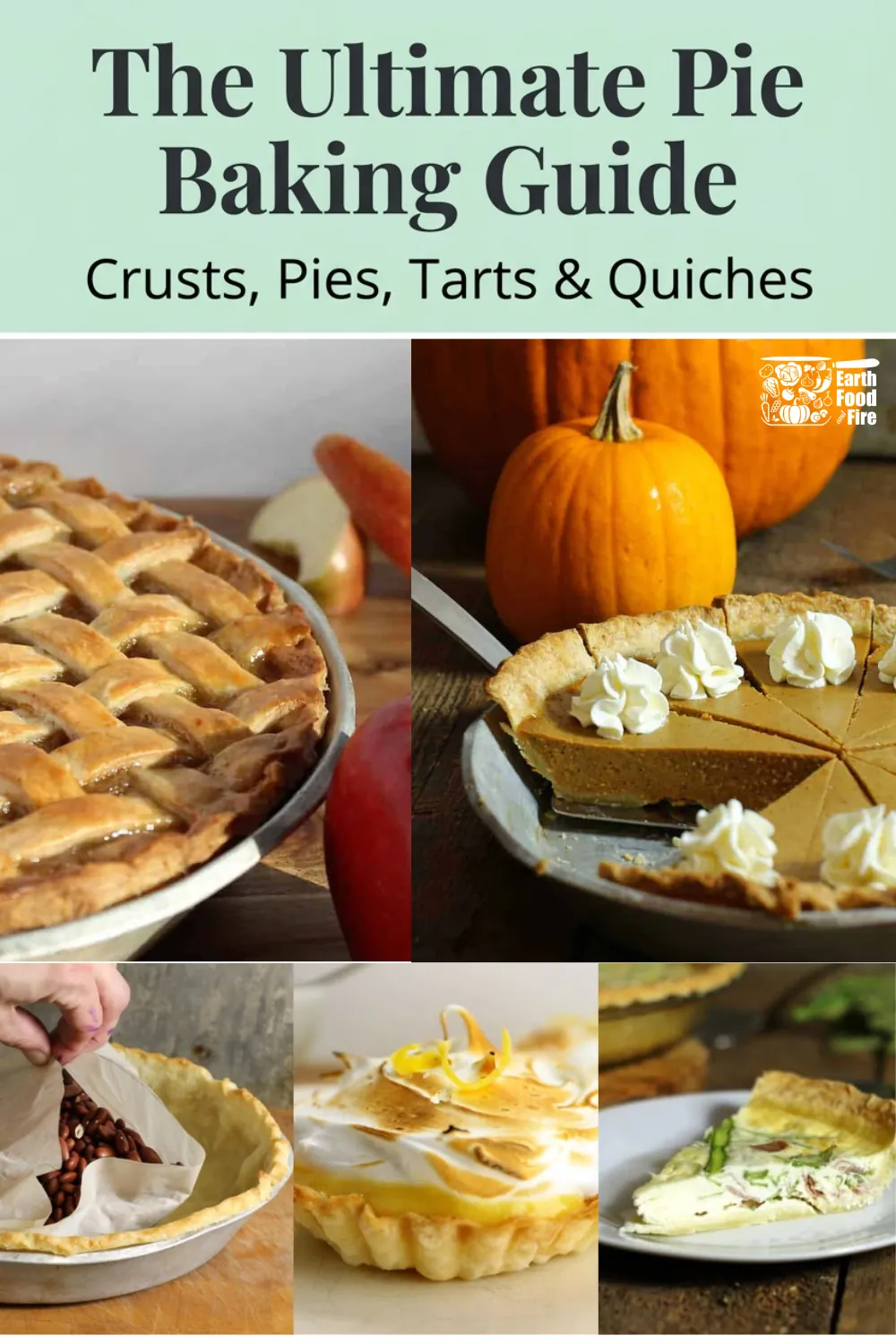
This post may contain affiliate links for which we may be compensated if a purchase is made through the links provided at no extra cost to you. For more information, please read our affiliate disclosure.
Table of Contents
1. The Foundation: Mastering the Perfect Pie Crust
The secret to successfully baking a pie that everyone loves is to start with a good base. The pie crust is the vessel that holds everything together, and it needs to be just as delicious as the filling it contains.
When baking a pie, temperature is your ally. Keeping your ingredients, especially your butter and water, ice cold, prevents the fats from melting into the flour before the pie hits the oven. Once those cold pockets of butter finally melt in the hot oven, they create steam, resulting in those glorious, flaky layers.
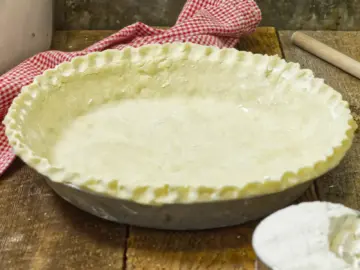
Forget the store-bought rolls of dough. Learn the chef-approved method for making a versatile, all-butter crust that can be used for any recipe on this list:
👉 Read the Guide: The Best Flaky Homemade Pie Crust Recipe
Traditional Homemade Pie Shell Recipe
2. The Technique: Why You Want to Blind Bake Pie Crust
Have you ever sliced into a beautiful pie only to find that the bottom crust is pale, gummy, and undercooked? This is the dreaded "soggy bottom," and it is the most common failure when baking pie with wet fillings like custards, pumpkin, or quiche.
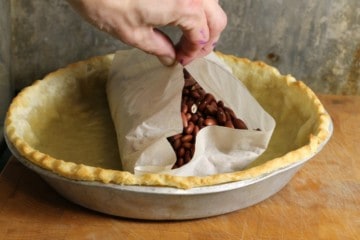
To prevent this, you want to learn how to "blind bake" (or pre-bake) your crust. This technique means partially or fully baking the pie dough before adding the liquid filling. It creates a waterproof seal and ensures your crust stays crisp and golden brown.
Master this essential pie-baking skill here:
👉 Read the Guide: How to Blind Bake Pie Crust Perfectly Every Time
How To Blind Bake Pie Crust
3. Sweet Classics: Baking a Pie for Dessert
Once you have your crust skills locked down, it’s time to move on to the fillings. Baking a pie for dessert is a year-round affair, shifting with the seasons and the holidays. It is also a great way to enjoy seasonal fruits and ingredients as they ripen throughout the year.
Fruit Pies
Nothing screams "comfort food" quite like a traditional fruit pie. When working with fruit, the goal is to balance the natural tartness with just the right amount of sugar and thickener, so the pie slices cleanly without turning into soup.
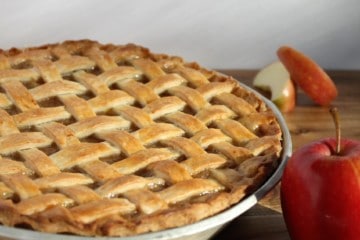
Here is a classic apple pie recipe, tried and tested, complete with a guide to making the fancy lattice top:
🍎 Try the Recipe: Rustic Homemade Apple Pie
Easy Apple Pie Recipe
Holiday Custards
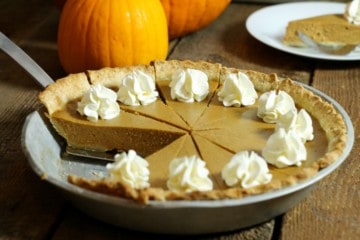
When autumn rolls around, baking pie shifts from fresh fruits to rich, spiced squashes and custards. A great pumpkin pie should be smooth, deeply spiced, and slice beautifully without cracking.
🎃 Try the Recipe: Classic Homemade Pumpkin Pie
Homemade Pumpkin Pie
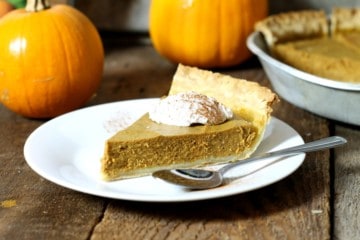
Hosting guests with dietary restrictions? You don't have to skip the tradition! We also have a fantastic dairy-free alternative that is just as rich and creamy.
🍂 Try the Recipe: The Best Dairy-Free Pumpkin Pie
Dairy Free Pumpkin Pie
4. Miniaturize It: Tartlets and Single Servings
Baking a pie doesn't always mean making a massive 9-inch deep-dish dessert. The exact same skills and dough can be used to create elegant, single-serve tarts.
Tarts are perfect for spring brunches, afternoon tea, or bringing along to any party. Also, if you love the crust and want more of it, the small tarts have a higher crust-to-filling ratio.
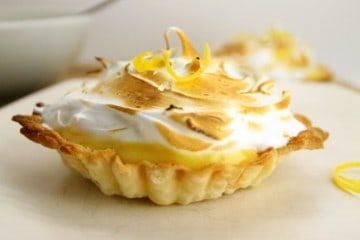
If you are looking for a bright, citrusy challenge that will impress your guests, try your hand at combining a buttery crust with a tangy curd and fluffy meringue.
🍋 Try the Recipe: Zesty Lemon Meringue Tarts
Lemon Meringue Tarts
5. Savory Baking: Quiches and Dinner Tarts
Who said baking a pie is only for dessert? Savory pies, tarts, and quiches are incredible options for elegant lunches and holiday brunches. And since a well-baked savory tart provides a hearty, satisfying meal that tastes just as good cold the next day as it does fresh out of the oven, they are also perfect as a meal prep for the busy days ahead.
Because savory fillings (like eggs, cream, and vegetables) are highly liquid, this is where you want to put your blind baking skills to good use.
Light Spring Brunch
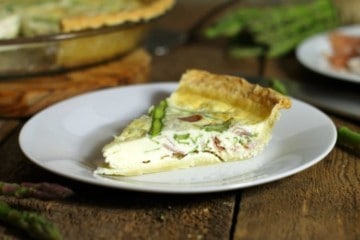
Make the most of the spring seasonal produce. Pair it with light egg whites for a healthy, vibrant dish.
🌿 Try the Recipe: Fluffy Asparagus Egg White Quiche
Prosciutto and Asparagus Egg White Quiche
Rustic, Hearty Dinner
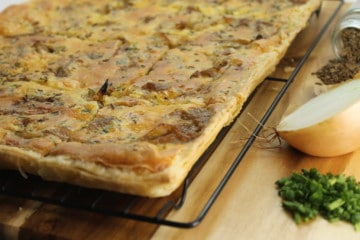
Explore a traditional German comfort food with a rich, savory onion tart that pairs perfectly with a glass of white wine or fresh cider.
🧅 Try the Recipe: Traditional German Onion Tart (Zwiebelkuchen)
Caramelized Onion Tart (German Zwiebel Kuchen)
Tips for Successfully Baking a Pie
Whether you're baking your first pie or your fiftieth, a few simple tips can make a big difference:
- Keep Ingredients Cold - cold butter and cold water help create a flaky crust.
- Chill the Dough - Resting dough in the refrigerator prevents shrinking during baking.
- Use Pie Weights When Blind Baking - weights keep the crust from puffing and help it bake evenly.
- Avoid Overfilling - too much filling can cause pies to overflow or prevent the crust from baking properly.
- Let the Pie Cool - many pies need time to set after baking. Cutting too early can cause fillings to run.
A Fun and Wacky History of Pies!
Did you know that pies haven't always been sweet and delicious?
Hundreds of years ago in medieval England, pies were filled with meat, and the crust was rock-hard! Back then, people didn't even eat the crust. It was just used as a thick, baked bowl to hold the food inside. Believe it or not, they actually called these hard pastry boxes "coffins"!
Luckily, as time went on, bakers started using butter and sugar to make the crusts flaky and yummy. And what about sweet pies? The very first fruit pie ever recorded was a cherry pie baked especially for Queen Elizabeth I. Imagine being the Queen and getting to taste the first fruit pie ever made!
Why is it called a "Pie"?
People think the name comes from a bird called the Magpie. Magpies love to collect random little things for their nests. Since early pies were just a bunch of random leftover foods mixed together, people named the dish after the bird!
Final Thoughts on Baking a Pie
Baking pie is not an exact science reserved for professional pastry chefs; it is a rustic, home-style tradition meant to be shared. Your first crust might not have perfectly crimped edges, and your first filling might bubble over a little bit - and that is perfectly fine! The flavor of a pie made from scratch with real butter, fresh fruit, and quality ingredients will always beat a store-bought version.
So dust your countertops with flour, grab your rolling pin, and start baking!
What is your favorite type of pie to bake? Let us know in the comments below, and don't forget to pin this guide for your next baking weekend!
Frequently Asked Questions About Baking a Pie
Why does my pie crust turn out tough instead of flaky?
There are two main secrets to baking pie crust that is perfectly flaky: One is temperature control. You must keep your ingredients (especially the butter and water) ice cold, so the butter does not melt before it hits the hot oven. The second secret is to handle the dough only as much as needed to join all ingredients. If you overwork the dough with your hands (which develops tough gluten), your crust will lose its flakiness.
How do I prevent a soggy bottom?
A soggy bottom crust is the most common issue when baking pie with wet fillings like fruit, pumpkin, or quiche. The best way to prevent this is to blind bake (pre-bake) your crust before adding the liquid filling. Additionally, baking your pie on the lower rack of your oven helps the bottom crust receive more direct heat to crisp up nicely.
What is the best type of pie pan to use?
For baking a pie at home, a standard glass (Pyrex) pie dish is highly recommended for beginners. Glass conducts heat evenly and allows you to literally look at the bottom of the pie to check if the crust is golden brown. A dull metal aluminum pan also works wonderfully to get that crisp bottom crust.
Can I make pie dough ahead of time and freeze it?
Absolutely! In fact, chilling the dough is a crucial step in baking a pie. You can make your dough, form it into a disc, wrap it tightly in plastic wrap, and freeze it for up to 3 months. Just let it thaw in the refrigerator overnight before you are ready to roll it out.
Do I really need ceramic pie weights to blind bake?
While ceramic pie weights are great for keeping the crust from shrinking or puffing up in the oven, you don't have to buy them. When baking a pie, you can simply line your raw dough with parchment paper or foil and fill it with dried beans, uncooked rice, or even regular white sugar to weigh the dough down. (Tip: Let the beans or rice cool, and save them in a jar to use as pie weights again next time!)
Comments
No Comments