
I've always loved pickles - on sandwiches and burgers, tucked onto a charcuterie platter, or served alongside roasted meats. What surprises me is how few home cooks actually make bread and butter refrigerator pickles themselves, probably because "real" canning sounds intimidating - sterilizing jars, hitting the right pH, standing over a canning pot. None of that is required here.
This refrigerator bread and butter pickle recipe skips the canning altogether. No special equipment, no water bath, just fresh cucumbers (even better if they're home grown) and a handful of pantry spices.
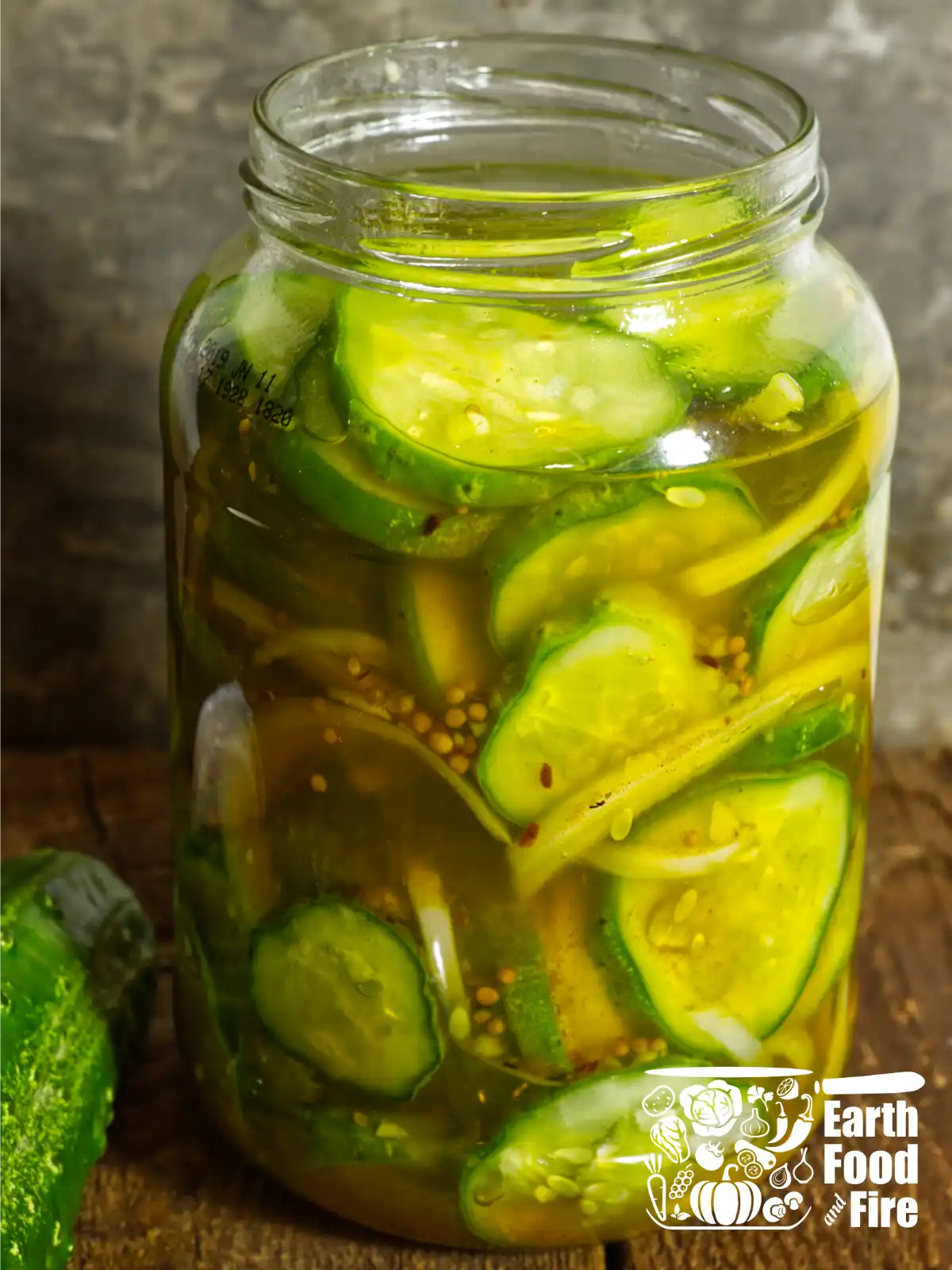
I make a batch of this fridge pickles recipe almost every summer, mostly out of necessity - if you've ever grown cucumbers, you know the vines can bury you in produce faster than you can eat it fresh. Quick pickling is the easiest way I've found to use up the overflow without committing to a full canning session. It's also more forgiving: no strict processing times to worry about, no risk of a failed seal, just cucumbers, brine, and a little patience.
This post may contain affiliate links for which we may be compensated if a purchase is made through the links provided at no extra cost to you. For more information, please read our affiliate disclosure.
Table of Contents
Why This Fridge Pickles Recipe Works
- No canning equipment required - just jars you already have and a stovetop.
- Ready in days, not months - ideal if you can't wait out a long canning cure.
- A great way to use up a cucumber glut - if you grow your own, this recipe solves the "too many cucumbers" problem fast.
- Easy to customize - dial the heat up or down, swap the onion, or use the same brine on other vegetables (see Flavor Variations below).
Traditional Pickles vs. Fridge Pickled Cucumbers - What's The Difference?
Traditional pickles are canned: cooked in a vinegar, sugar, and spice brine, then heat-processed in mason jars. That processing step is what lets canned pickles keep for 1 to 5 years without refrigeration - the combination of vinegar, low oxygen, and high heat creates an environment bacteria can't survive in.
It's a great method for long-term storage, but it does take some technique and skill. That might be a bit intimidating the first few times, especially if you've never canned anything before.
If you'd like to try canning at home, this intro to canning guide from the makers of the Mason jar is a solid place to start.
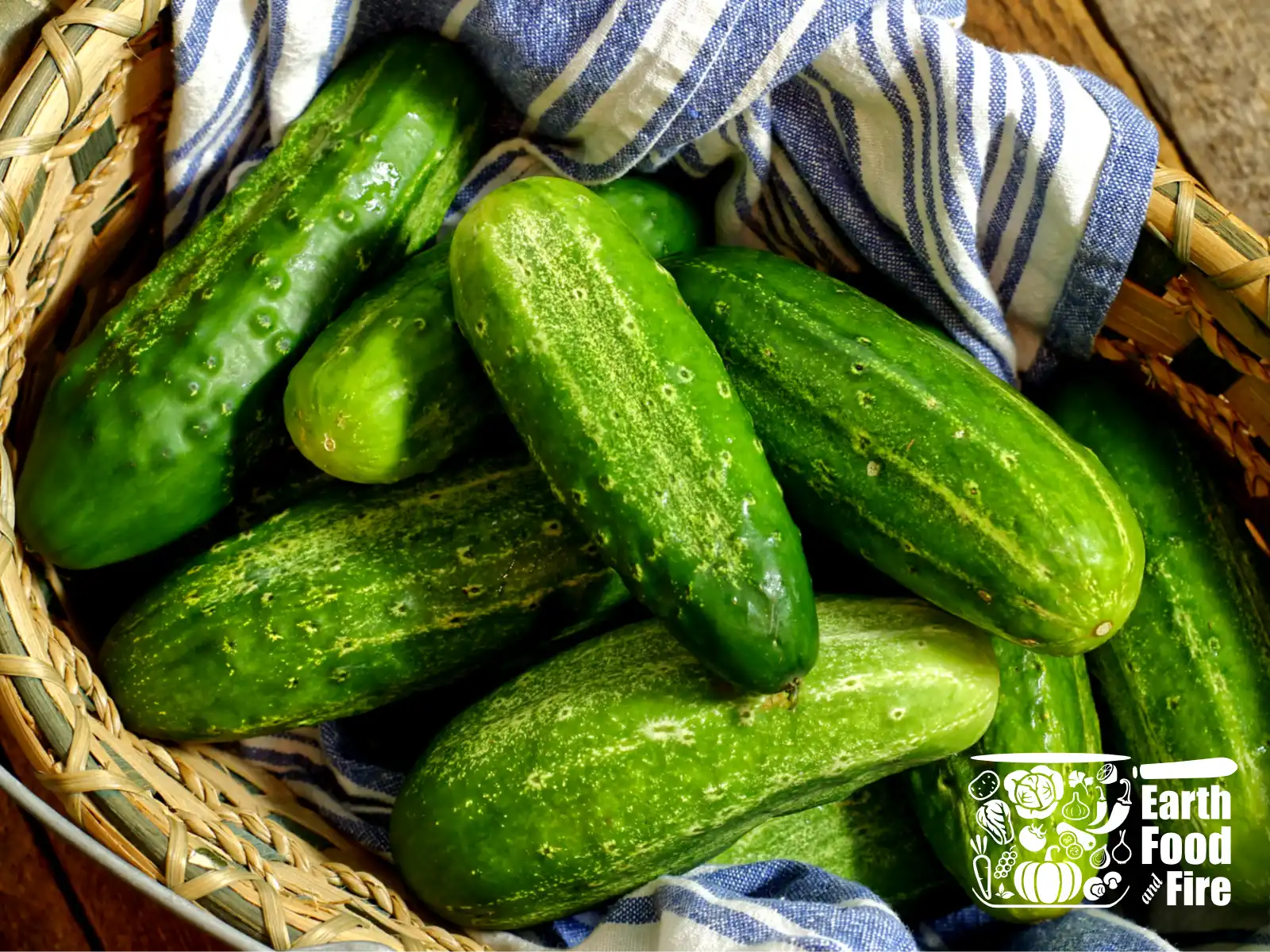
Fridge pickled cucumbers - also called quick pickles - take a shortcut. They use the same vinegar, sugar, and spice combination as canned pickles, but skip the heat processing entirely. Instead, they rely on the brine's acidity alone to keep bacteria at bay.
That means they have to stay refrigerated and will only keep for about 3 to 4 months in the fridge rather than years on a shelf. That trade-off - shorter shelf life for a much simpler process - is exactly what makes this fridge pickles recipe worth having on hand.
A Simple, Wholesome Brine
This recipe leans on a few standout ingredients worth calling out:
- Turmeric gives the brine its signature golden color and has been linked to anti-inflammatory properties in several studies.
- Apple cider vinegar, along with the white wine vinegar, provides the acidity that both flavors and preserves the cucumbers - no processed shortcuts needed.
- Cucumbers are naturally low in calories and a good source of hydration, especially when homegrown and picked at peak freshness.
Easy Bread and Butter Refrigerator Pickles Recipe
If you grow your own cucumbers, you already know the problem: the vines produce faster than any one household can eat fresh. Quick pickling is the fastest, cheapest way I've found to prevent being overrun by fresh cucumbers and preserve that harvest without getting into long canning sessions and bothering with the finer points of canning science.
So let's get to it.
Fridge Pickle Recipe Details
Prep Time: 1 hour 5 minutes
Cook Time: 5 minutes
Total Time: 1 hour 10 minutes
Servings: 2 liters
Ingredients
To make your own bread and butter refrigerator pickles at home, you'll need:
- Field cucumbers, sliced - 6 cups (about 700g)
- Pickling salt - 2 teaspoons
- Spanish onion, julienned - ½ onion
- Garlic, minced - 2 cloves
For the pickling liquid:
- White wine vinegar - 1.5 cups (355ml)
- Apple cider vinegar - 1 cup (240ml)
- White sugar - 1 cup (about 200g)
- Brown sugar - ⅔ cup (about 145g)
- Mustard seed - 1 teaspoon
- Turmeric - 1 teaspoon
- Crushed red pepper flakes - ½ teaspoon
- Black pepper, freshly ground - ¼ teaspoon
Step-by-Step Fridge Pickles Recipe Instructions
1. Prep the Cucumbers
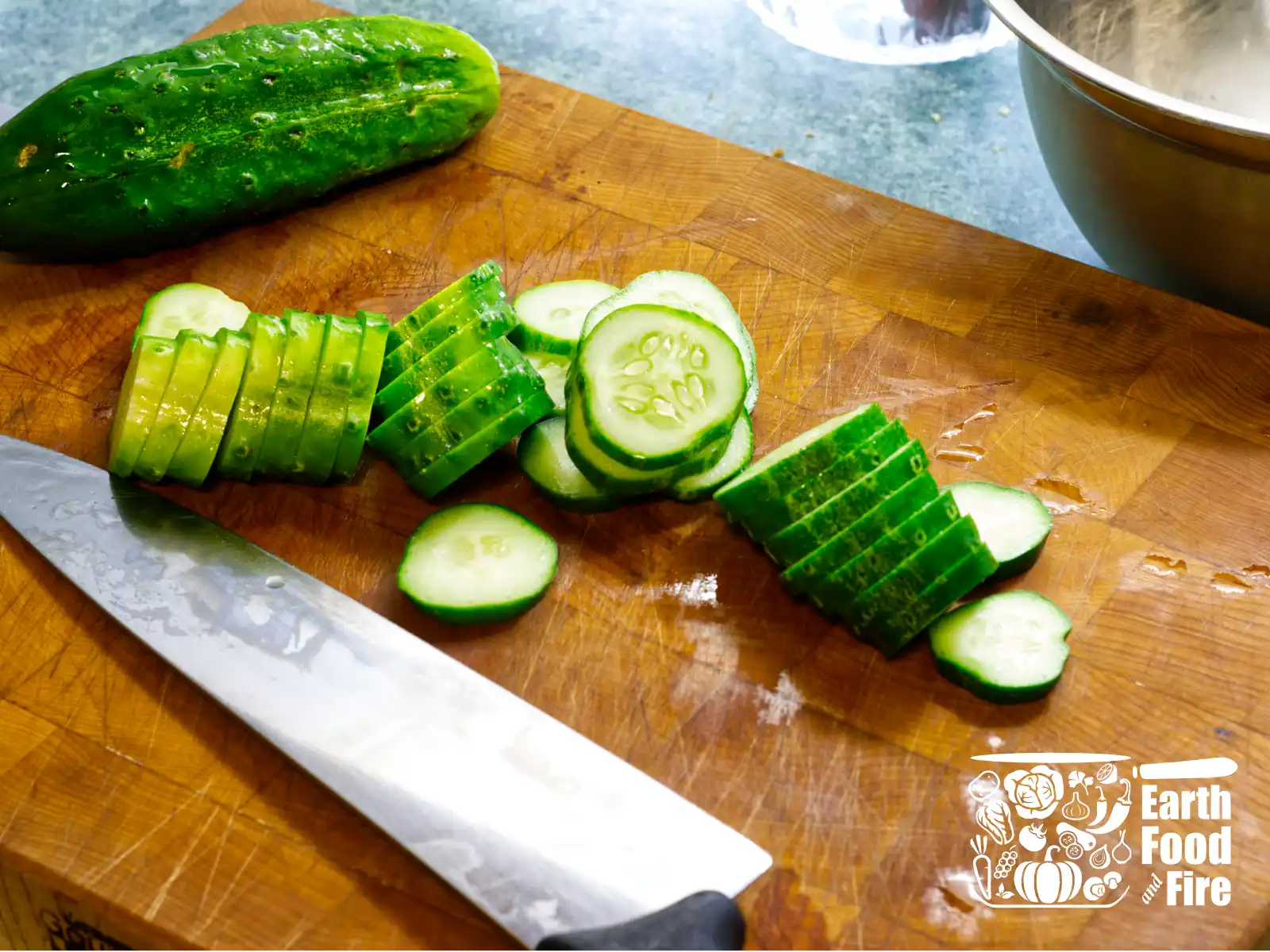
Wash the cucumbers and slice them thin - but not paper-thin. You want the pickles to keep a little crunch after marinating. Julienne the Spanish onion and mince the garlic, then set both aside.
2. Salt and Rest the Cucumbers
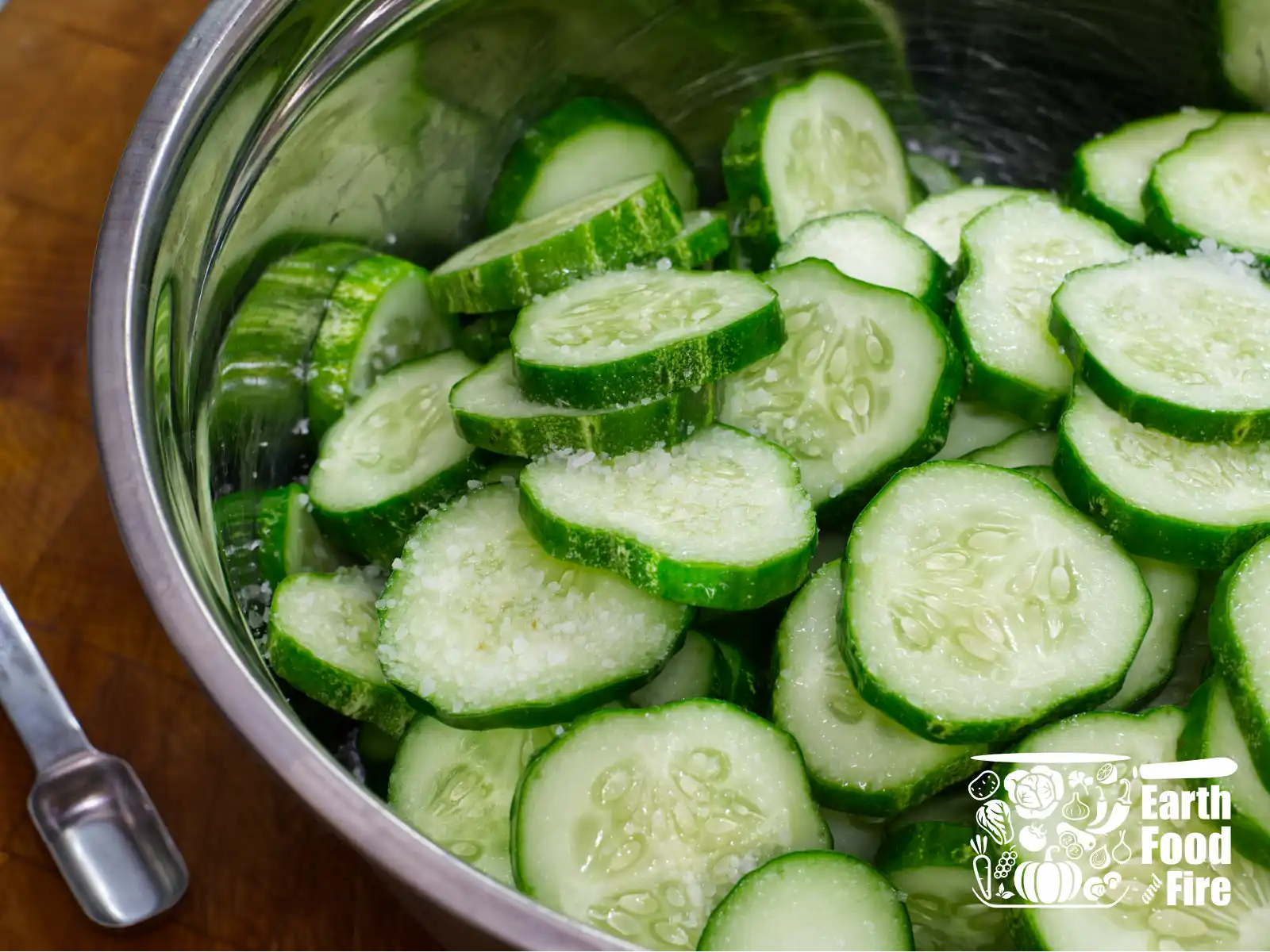
Sprinkle the pickling salt over the sliced cucumbers and mix it in by hand. Refrigerate for at least 1 hour - this draws out excess water and keeps the pickles from turning watery in the jar.
3. Make the Brine
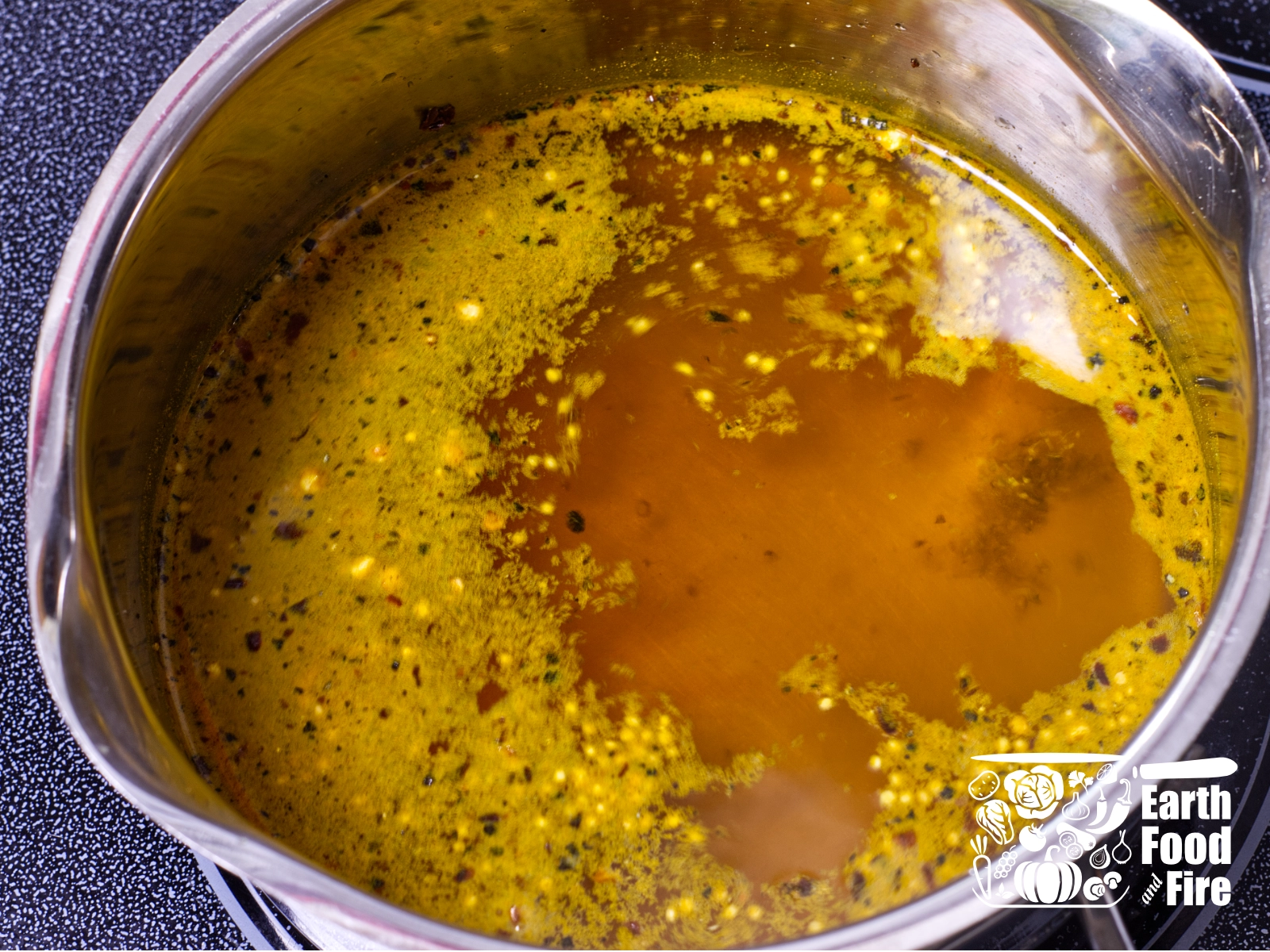
In a small pot, combine the vinegars, sugars, and spices. Bring to a boil, then turn off the heat and let the pot sit on the warm burner - this infuses the spices into the vinegar without overcooking them.
4. Drain and Combine
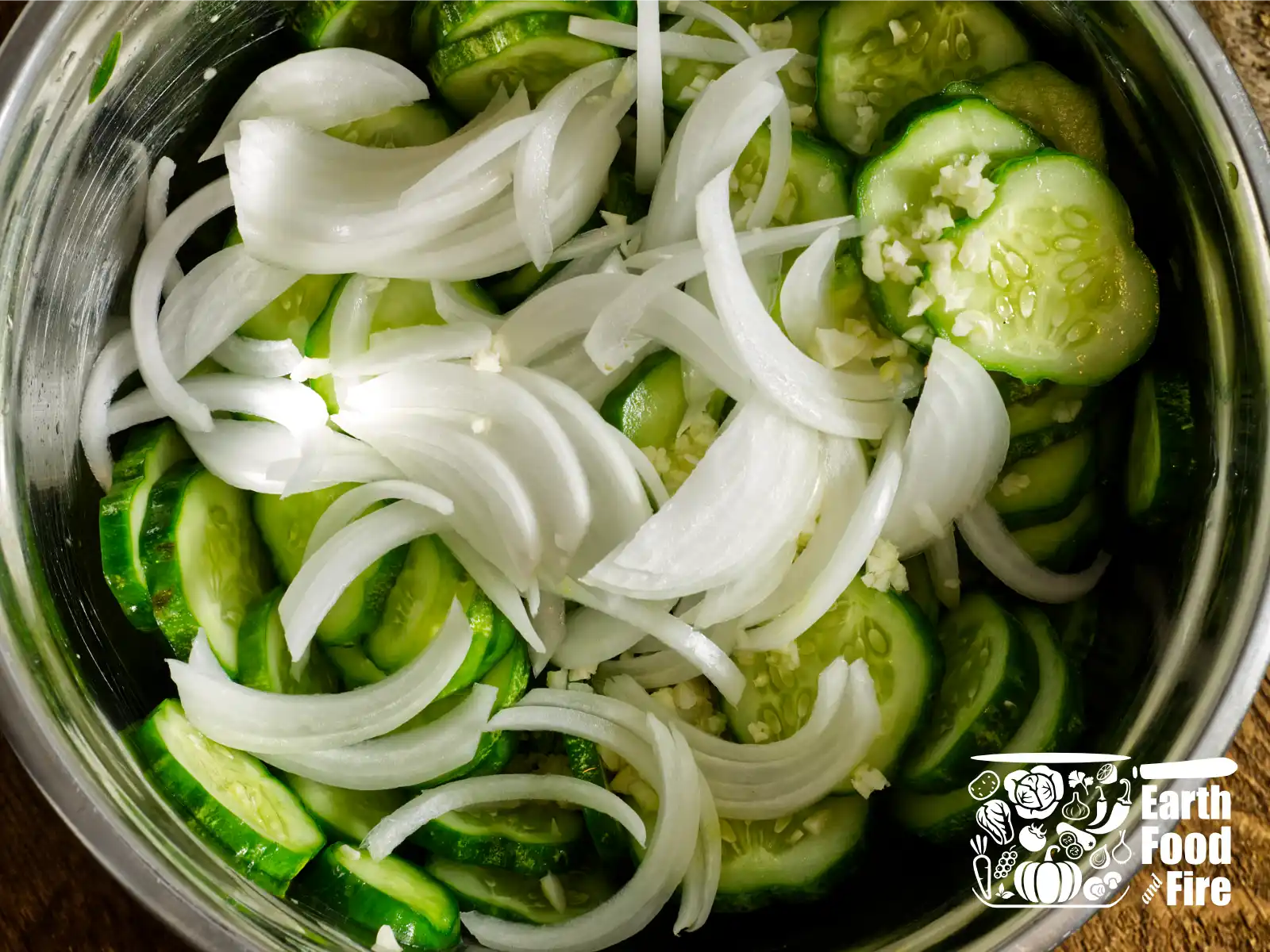
Once the cucumbers have salted for an hour in the fridge, drain off any water that's been drawn out. Mix in the julienned onion and minced garlic.
5. Pack and Pour
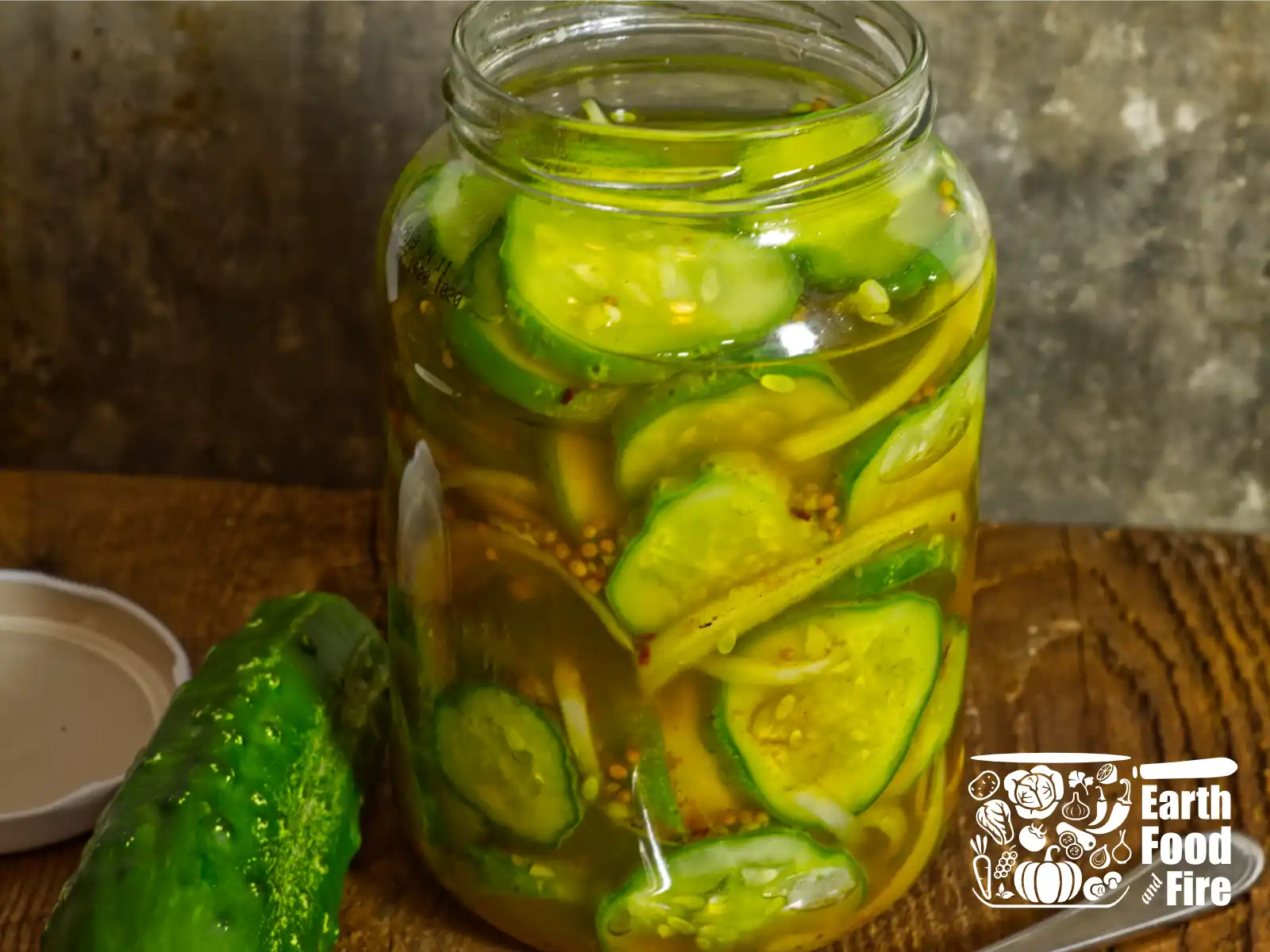
Pack the cucumber, onion, and garlic mixture into clean glass jars - old pickle jars or mason jars both work well. Bring the vinegar mixture back to a boil, then pour it into the jar over the packed cucumbers while still hot.
6. Seal and Chill
Seal the jars with a matching lid and let them cool to room temperature on the counter before refrigerating.
Chef's Tip: For the best texture and flavor, let the pickles sit at least 3 to 4 days before eating. The longer they sit, the more intense the flavor develops.
Flavor Variations
- 🌶️ Extra Spicy: Double the crushed red pepper flakes, or add a sliced fresh jalapeño to the jar.
- 🧄 Extra Garlicy: Bump the garlic up to 4 cloves for a sharper, more assertive brine.
- 🥕 Beyond Cucumbers: This same brine works well on other vegetables - I regularly use it for quick-pickled carrots and cherry tomatoes. Harder vegetables like carrots or beets benefit from a quick blanch first, since they won't soften the way they would in a heat-processed canning brine.
Serving Suggestions
- On sandwiches and burgers - a classic use, and the acidity cuts through rich, fatty fillings well.
- On a charcuterie board - the sweet-tangy brine pairs naturally with cured meats and sharp cheeses.
- Alongside roasted meats - a bright, acidic contrast to something like a coffee-rubbed sirloin roast.
- Straight out of the jar - no shame in it; they're good enough to eat on their own.
Storage & Reheating
Fridge: Store sealed in the refrigerator for up to 3 to 4 months. Flavor keeps improving for the first week or two, then holds steady.
Freezer: Not recommended - freezing breaks down the cucumbers' cell structure, and they'll lose their crunch once thawed.
Reheating: Not applicable - these are meant to be eaten cold, straight from the fridge.
I'd love to hear how your bread and butter refrigerator pickles turn out! Leave a comment and a rating below, and let me know if you try any of the variations.
Happy cooking 👨🍳!
Recipe
Bread and Butter Refrigerator Pickles
Ingredients
- 6 cups field cucumbers sliced
- 2 teaspoons pickling salt
- ½ spanish onion julienned
- 2 cloves fresh garlic minced
Pickling Liquid
- 1.5 cups white wine vinegar
- 1 cup apple cider vinegar
- 1 cup white sugar
- ⅔ cup brown sugar
- 1 teaspoon mustard seed
- 1 teaspoon tumeric
- ½ teaspoon red pepper flakes crushed
- ¼ teaspoon black pepper freshly ground
Instructions
- Wash and thinly slice the cucumbers, keeping some width for crunch. Julienne the onion and mince the garlic; set aside.
- Toss the sliced cucumbers with pickling salt and mix the salt in. Refrigerate for at least 1 hour.
- Combine vinegars, sugars, and spices in a small pot. Bring to a boil, then remove from heat to steep.
- After an hour in the fridge, drain the salted cucumbers of any drawn out water. Mix in the onion and garlic.
- Pack the mixture into clean jars. Bring the brine back to a boil and pour it over the vegetables in the jar.
- Seal, cool to room temperature, then refrigerate. Best after 3–4 days; keeps up to 4 months.
Notes
Nutrition
Nutrition info is auto-generated. This information is an estimate; if you are on a special diet, please use your own calculations.

Denise from Urb'n'Spice
I love quick pickles - thanks for sharing your technique and recipe, Markus. I will also have to try your suggestion with cherry tomatoes and baby carrots, too! They are all so handy to have in your fridge.
Diana
Can I hot bath this recipe so that they will last longer?
Markus and Bianca Kuchar
Hi Diana, yes, you can use the traditional heat-process to can the same recipe. If done properly, the pickles should last you up to 3-5 years (unless you eat them before, which is a serious probability at our home).
Colleen
Quick pickling is so convenient and we do it a lot with cucumbers, because, when you grow cucumbers, you can only eat so many, right? This recipe is so good, and reminds me of my late Mom in Law's recipe. Thanks for sharing.
Chef Markus Mueller
It's a great little way to preserve garden produce isn't it!? I also quick pickle cherry tomatoes, and baby carrots, the carrots are great in salads, and the cherry tomatoes are good on their own or in dressings!
Karen
Hi Chef,
When you quick pickle carrots, do you use this same recipe? Also, how would this be to do beets and if you wouldn't do beets this way, do you have a recipe for pickled beets?
Thank you - Karen
Chef Markus Mueller
Hi Karen, you can quick pickle any vegetable using the same process (or even recipe) as above. The main thing you will notice is that harder vegetables such as root vegetables or beets will not 'cook' as a traditional pickled vegetable would while heat processing. The workaround here is to partially cook the vegetable first (ie:. blanching) or partially cook the vegetable directly in the brine.
Let me know how it goes!