
Fiddleheads are a delicate wild spring vegetable, only available for a few weeks every year. Find out what you need to know about this springtime delicacy, how to prepare, clean, and most importantly, how to cook fiddleheads safely.
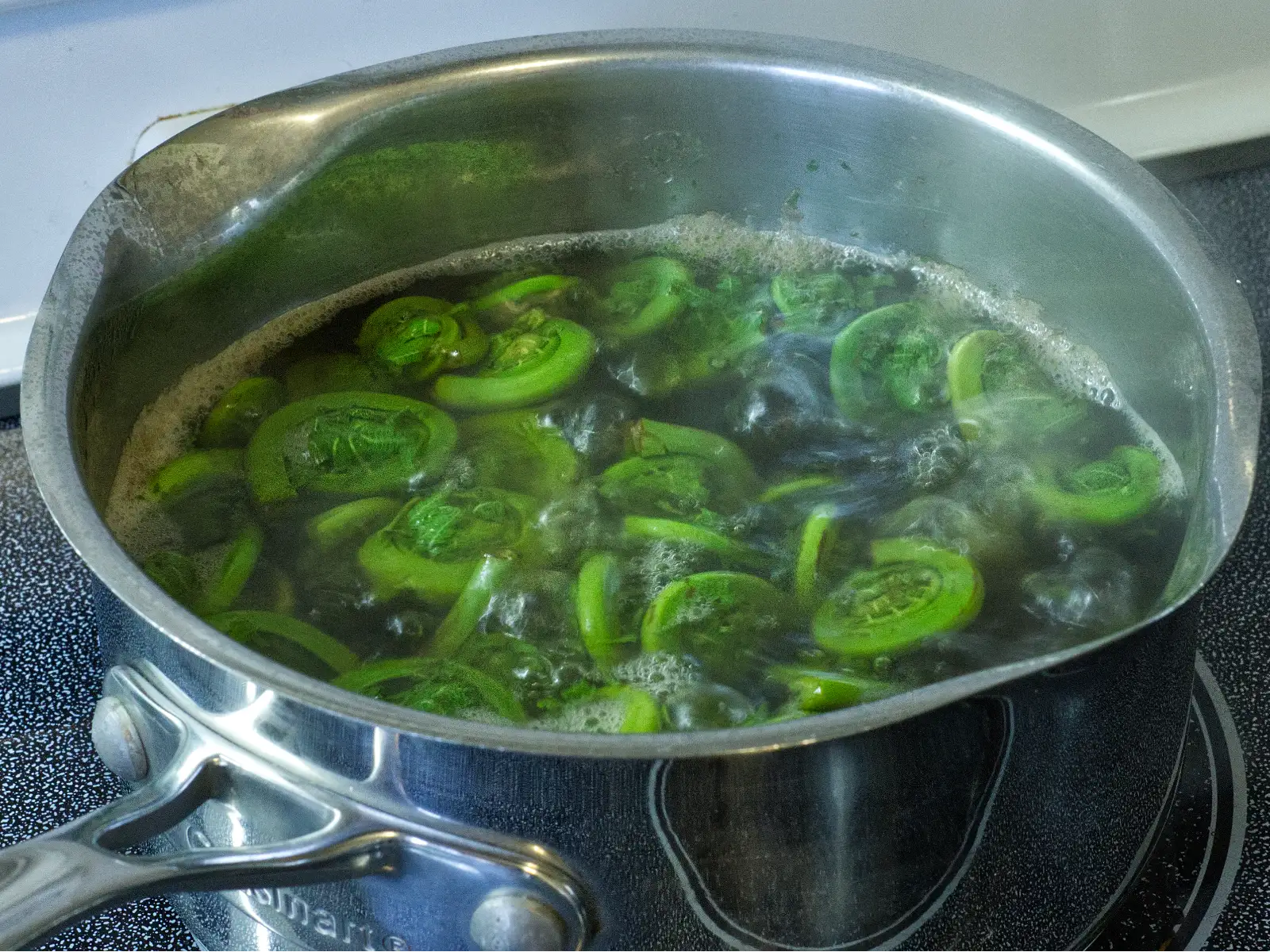
If you've never tried fiddleheads, you're missing out! They have been considered a delicacy for centuries across North America, Europe, and even Asia. Fresh fern fiddleheads have been prized by chefs as a symbol of spring, eating local, wild-sourced foods, and, of course, for their delicate and unique flavor.
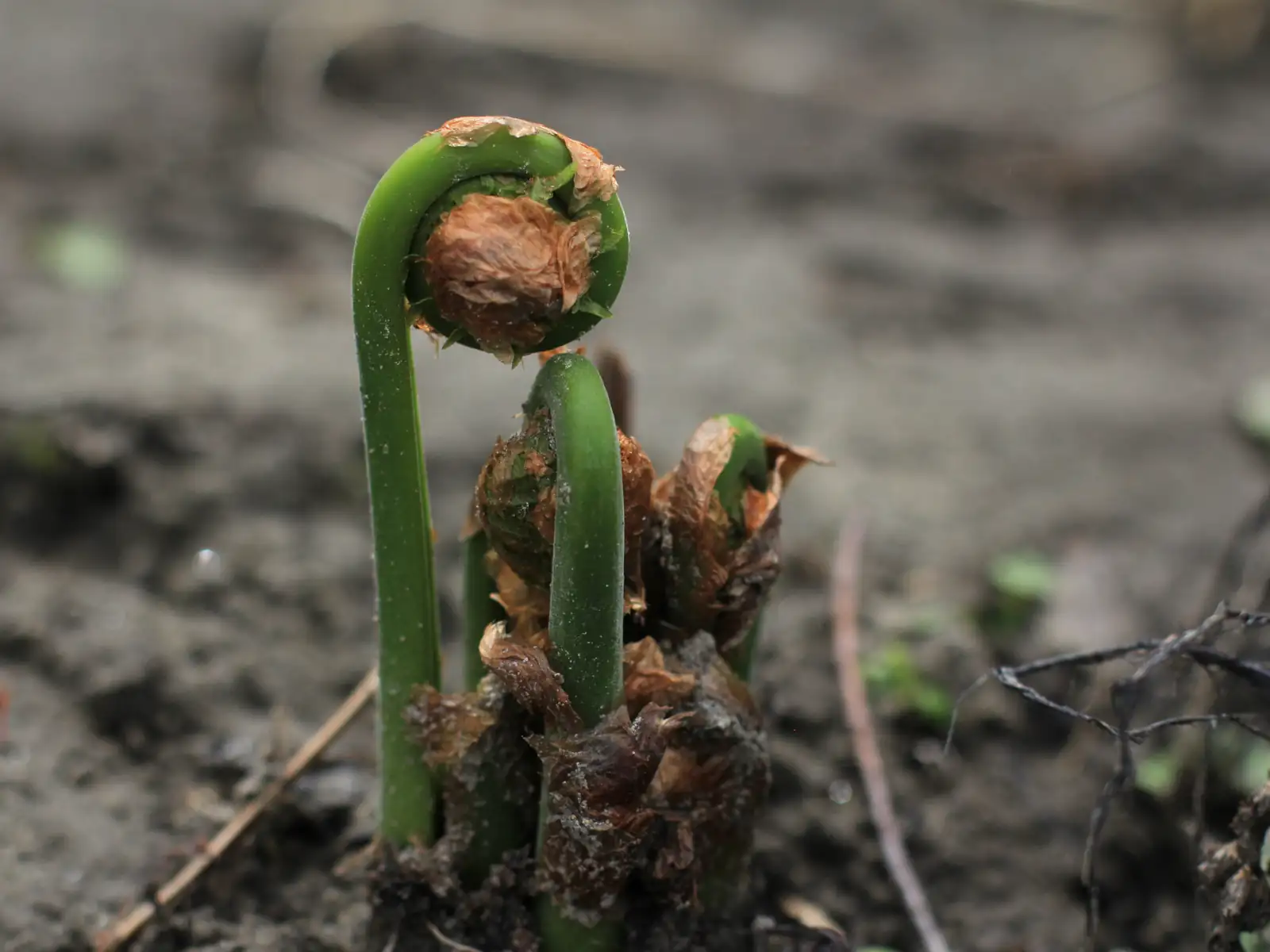
Fiddleheads are the very young shoots of the Ostrich Fern (though other varieties are also harvested on occasion). They are a true sign of spring coming in nature. One of the first forageable food items of the year (along with spruce tips and dandelions), fiddleheads provide a good source of potassium, vitamin C, and various minerals.
Their short season and availability can make fiddleheads quite expensive, which is why learning to forage is so much fun!
This post may contain affiliate links for which we may be compensated if a purchase is made through the links provided at no extra cost to you. For more information, please read our affiliate disclosure.
Are Fiddleheads Safe To Eat?
The short answer is yes, if you know how to prepare and how to cook fiddleheads properly and long enough!
The first thing many people think of when they hear 'fiddleheads' is that they are potentially poisonous to eat. This can be discouraging to many, especially if you have no idea how to cook fiddleheads or what to serve them with!
While Health Canada does say that fiddleheads may cause food poisoning, the actual cause of the illnesses has not been confirmed. Whether the food poisoning cases are due to a toxin, bacteria, or other source isn't known (though some other ferns are known to contain carcinogens). Your best bet is to follow the official advice and learn how to cook fiddleheads properly. Also, take extra caution to follow the steps to prepare, clean, and store the fiddleheads properly.
Keep reading to find out how to avoid getting sick from eating fiddleheads.
How to Prepare Fiddlehead Ferns
It's best to prepare and eat fiddleheads as soon as possible after harvesting. The tightly wound fern heads grow in wet, woodland areas, and as such are a natural breeding ground for bacteria.
If foraging for fiddleheads yourself, go with an experienced guide if you have never done this before!
As mentioned above, fiddleheads are forageable (but do so only once you know what you are doing!). You can avoid the hard work by sourcing fiddleheads from farmers' markets and local grocery stores from mid-April to May.
How to Clean Fiddleheads Properly
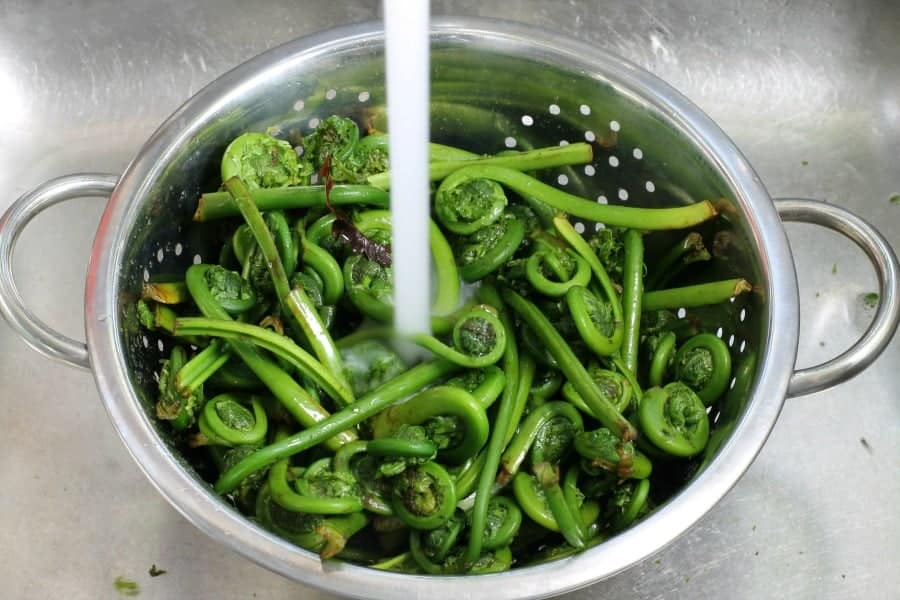
To clean your fiddleheads, remove any brown papery husk that may be wrapped around the tightly curled head. Rinse the fiddleheads in fresh water several times to wash away dirt, insects, and remaining bits of husk. The fiddleheads should be vibrant dark green, firm, and free of any black patches.
How to Store Fiddleheads
Pat dry the fiddleheads with a clean cloth to prevent bacteria from growing.
- Store the fiddleheads in a breathable container in your fridge for up to three to four days after harvesting. You want to avoid moisture build-up. Some airflow will help keep them dry and cool.
- You can pickle fiddleheads, but it is best not to store them for long periods of time, as safe canning temperatures and times have not been determined yet. When pickling fiddleheads, it's best to do so at a high temperature and consume them within a few weeks. Always refrigerate pickled fiddleheads to reduce the chance of food poisoning.
- Fiddleheads can also be frozen for long term storage.
Freezing Fiddleheads
How To Cook Fiddleheads Safely
Health Canada recommends cooking freshly harvested and cleaned fiddleheads in boiling water for 15 minutes or steaming them for 10 to 12 minutes to leach out many of the bitter tannins and destroy any bacteria.
As a chef, boiling fiddleheads for 15 minutes seems quite long, though. I can almost guarantee that the finished product will be very soft, mushy, and not that tasty. I do believe fiddleheads need to be more than just quickly sautéed, though.
The key is to find a happy medium. I suggest simmering properly cleaned fiddleheads for 5 to 8 minutes before using them in a recipe where they will be cooked a little further (close to the total officially recommended time).
After simmering, the fiddleheads are delicious sautéed with a little finely chopped onion, garlic, and butter. I also enjoy them tossed into a pan with sliced sausage, tomato, and herbs.
Spring Fiddlehead Sausage Penne

Fiddleheads make an excellent side dish for grilled pork, chicken, and even fish and shellfish! I like to think of fiddleheads much like asparagus, and use them in many of the same ways I would use asparagus.
Kevin Crockett
I just had my first taste of fiddlehead ferns at a restaurant here in Belfast Maine. I guess I’m hooked! I live on four wooded acres in north east Pennsylvania, definitely going to hunt for some of these!